Exterior Protection Built for Constant Moisture
Siding Installation in Bothell for homes facing Pacific Northwest moisture intrusion and temperature fluctuations
Sky Roofing Renovations LLC installs complete exterior cladding systems in Bothell that address the specific moisture challenges homes face in this region. You need siding that resists water intrusion during months of steady rainfall and handles the temperature swings between wet winters and dry summers. The installation includes house wrap and flashing systems positioned behind the siding with ventilation channels that allow moisture to escape rather than accumulate inside wall cavities.
This work protects your home from the moisture damage that develops when water penetrates exterior walls and becomes trapped against sheathing. Proper installation requires layering weatherproof barriers, integrating flashing at every wall penetration and transition point, and creating airflow paths that prevent condensation buildup. Licensed and insured with over ten years of experience in weather-resistant installation methods, the approach focuses on long-term moisture management rather than surface appearance alone.
Request an options consultation to review cladding materials and ventilation systems suited to your home's exposure conditions.
What Proper Cladding Installation Requires
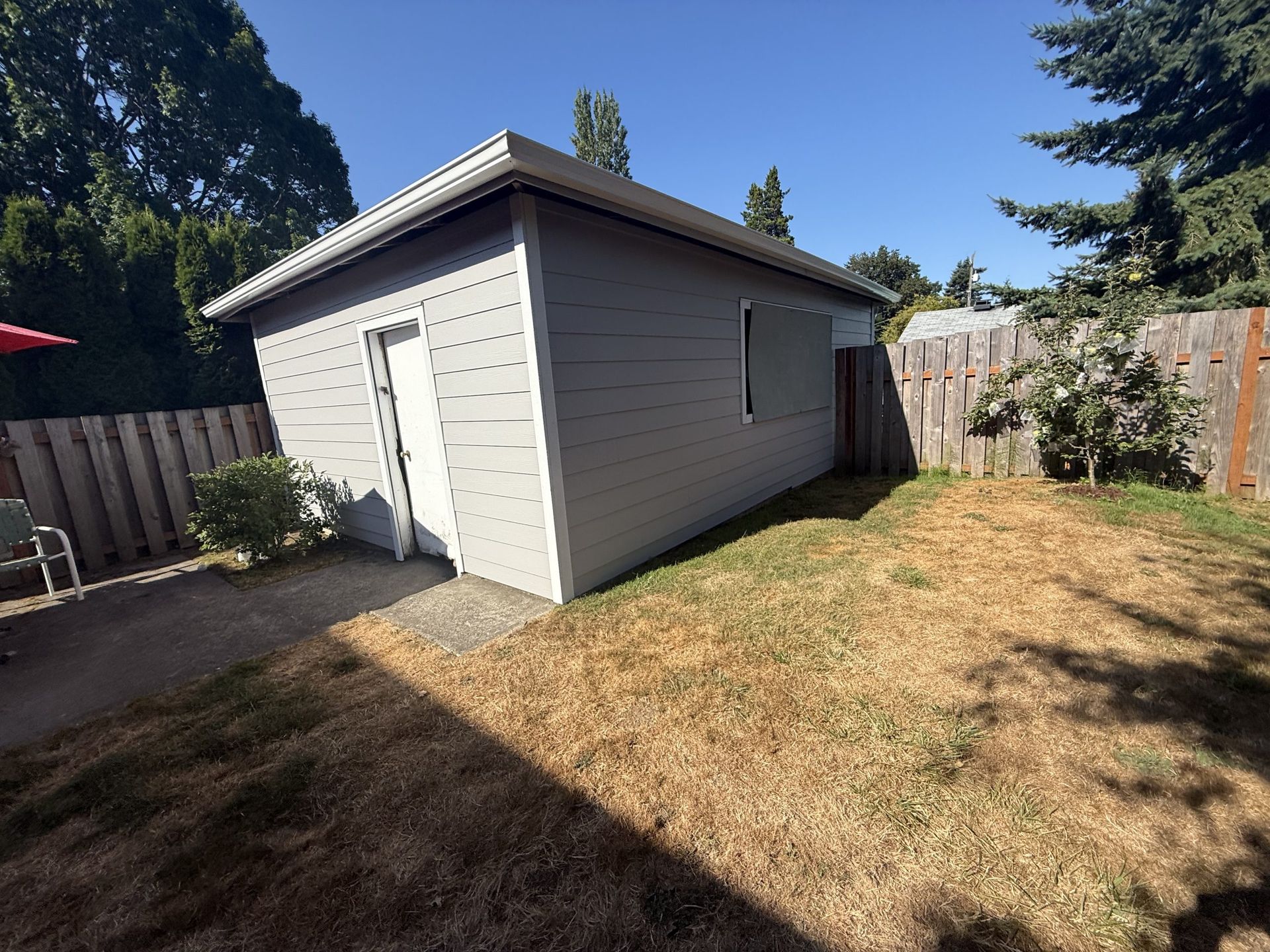
The process begins with evaluating your existing wall condition and determining whether sheathing needs repair before new cladding goes up. House wrap gets installed with specific overlap patterns that direct water downward and outward, while flashing pieces are shaped and positioned to seal around windows, doors, and trim boards. Ventilation channels behind the siding allow air movement that dries any moisture that does penetrate, preventing the rot and mold growth common in sealed wall systems.
Once the system is complete, you'll notice that water runs off the exterior surface without seeping into seams or collecting behind corners. Walls stay dry during extended rainy periods, and interior spaces maintain stable temperatures without the drafts or cold spots that occur when moisture compromises insulation. The cladding remains stable through seasonal expansion and contraction because fasteners are positioned to allow controlled movement.
The installation includes starter strips at the foundation line, J-channels around openings, and corner posts that create clean transitions without gaps. Sky Roofing Renovations LLC provides material options based on your home's architectural style and maintenance preferences, explaining trade-offs between different cladding types without steering you toward higher-cost choices unnecessarily.
Questions Homeowners Ask Before Installation
Bothell homeowners often have specific questions about how exterior cladding systems perform in local moisture conditions and what the installation process involves.
What makes house wrap and flashing critical in this region?
House wrap creates a continuous weather barrier that blocks liquid water while allowing water vapor to escape, and flashing pieces seal the vulnerable transitions where water typically finds entry points. In Bothell's wet climate, these layers prevent the moisture intrusion that leads to sheathing rot and insulation failure.
How does ventilation behind siding prevent damage?
Ventilation channels allow air to circulate between the cladding and the weather barrier, drying any moisture that penetrates through seams or fastener holes. Without this airflow, trapped moisture accelerates decay in wood-based materials and creates conditions for mold growth.
What preparation work happens before new siding goes up?
The existing wall surface is inspected for rot or structural damage, and any compromised sheathing gets replaced before weather barriers are installed. This ensures the new cladding system is anchored to solid material that can support fasteners through years of wind exposure.
Why do north-facing walls require special attention?
North-facing walls in the Pacific Northwest receive less direct sunlight and stay damp longer after rain events, making them more susceptible to moss growth and moisture retention. Installation on these elevations includes extra attention to ventilation paths and drainage details.
How long does a complete exterior cladding installation take?
Duration depends on your home's size and architectural complexity, but most residential projects are completed within a defined timeframe that accounts for weather delays during rainy periods common in this area.
Sky Roofing Renovations LLC approaches every project as a partnership, treating your decisions and concerns with the same consideration we'd expect for our own homes. Schedule a property evaluation to review your exterior wall condition and discuss cladding options suited to your home's specific exposure patterns.