Engineered Drainage for Low-Slope Surfaces
Flat Roofing in Bothell for buildings facing water management challenges from heavy regional rainfall
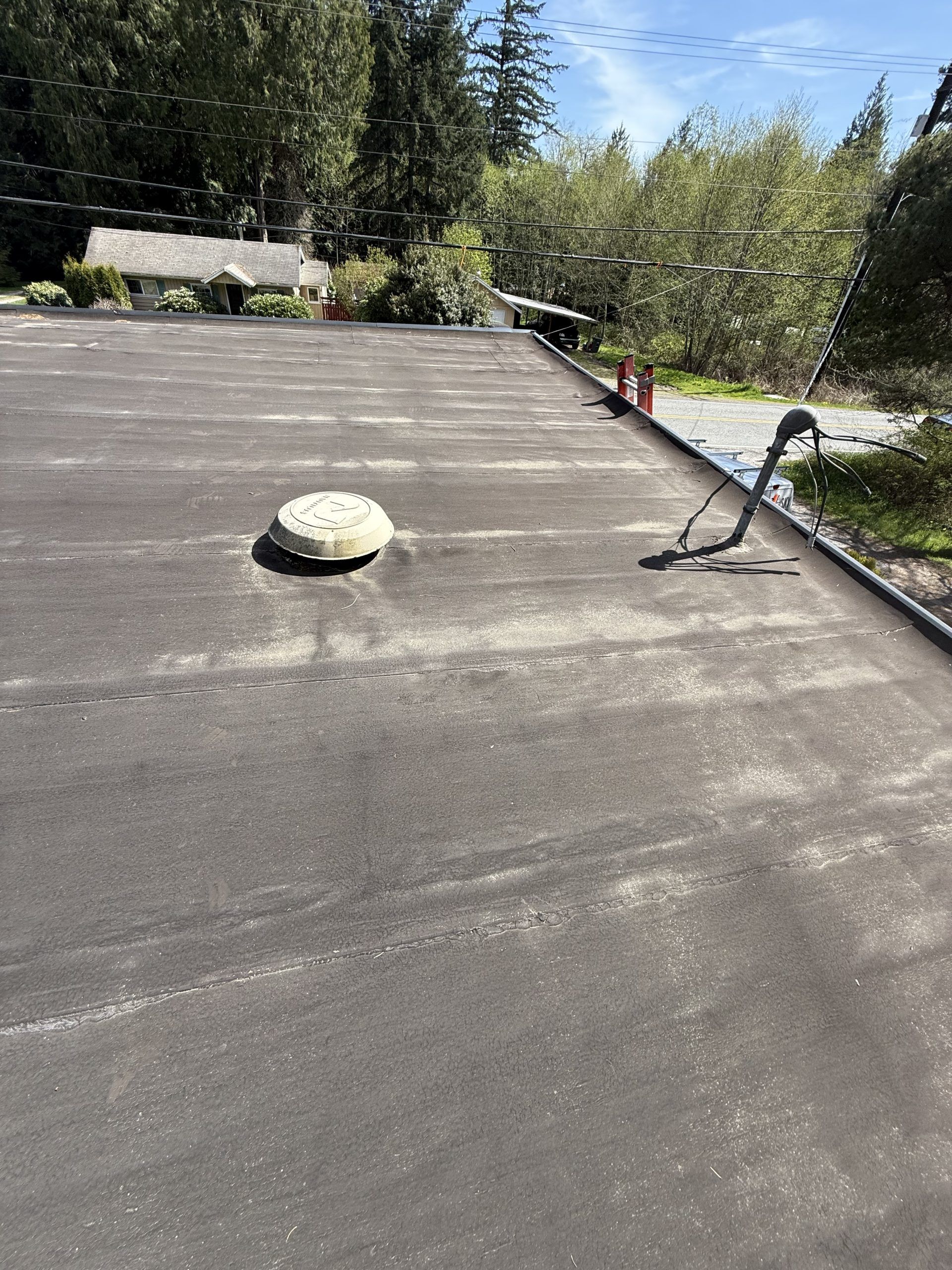
Modified bitumen and single-ply membrane systems need engineered slope and drainage design to handle the water volume that accumulates on flat surfaces during the prolonged rain events common throughout fall, winter, and spring in this area. You're managing a roof surface where even slight drainage inadequacies lead to ponding water that remains for days after storms, accelerating membrane deterioration and creating leak pathways at seams and penetrations. Sky Roofing Renovations LLC designs flat roofing systems for both residential and commercial properties in Bothell, with slope calculations and drain placement that ensures water moves off the roof rather than pooling in low spots.
The installation process involves creating positive drainage paths from every roof section toward scuppers, drains, or edge flashing that channels water into gutters. Even roofs described as flat require minimum slope to function properly, and achieving that slope involves tapered insulation layers or structural modifications that direct water flow. Membrane materials are selected based on exposure conditions, foot traffic requirements, and the building's intended use.
Arrange an on-site evaluation to assess your current drainage patterns and identify areas where water accumulates after rainfall.
How Drainage Design Prevents Membrane Failure
Proper flat roof systems include base layers that create slope, insulation that provides thermal protection without impeding drainage, and membrane materials that remain flexible through temperature fluctuations. Seams are heat-welded or adhesive-bonded depending on membrane type, creating watertight connections that withstand the expansion and contraction that occurs as roof temperatures vary. Flashing integration at parapet walls, equipment curbs, and roof penetrations uses redundant sealing methods that prevent water intrusion even when primary seals develop small failures.
After installation, you'll see that water moves visibly toward drains during rain events rather than spreading across the roof surface in sheets or collecting in depressions. The roof remains trafficable for maintenance access without membrane damage, and interior ceilings stay dry through the sustained wet periods that characterize Pacific Northwest winters. Mechanical equipment and roof-mounted infrastructure remain accessible without compromising waterproofing integrity because walkway pads and equipment curbs are integrated into the membrane system.
The system includes edge terminations that secure membrane edges against wind uplift while allowing thermal movement, and drain assemblies with leaf guards that prevent debris accumulation from blocking water flow. Licensed and insured installation following Pacific Northwest waterproofing requirements ensures the system performs through the weather extremes this region experiences.
Common Questions About This Service
Both residential and commercial property owners need to understand how flat roof systems handle regional drainage challenges and what differentiates
properly engineered installations from basic membrane application.
Why does ponding water cause premature membrane failure?
Standing water accelerates membrane deterioration through constant moisture contact, and ponding areas experience greater temperature fluctuations that stress material bonds. Water that remains for more than 48 hours after rainfall indicates inadequate drainage that will shorten the roof system's functional lifespan.
What creates positive drainage on a flat roof?
Positive drainage requires minimum slope from all roof areas toward drainage points, typically achieved through tapered insulation boards or structural framing modifications. The slope needs to overcome roof deck deflection and account for settling that occurs as buildings age.
How do single-ply and modified bitumen systems differ?
Single-ply membranes like TPO and EPDM are installed in large sheets with seams that are heat-welded or adhesive-bonded, while modified bitumen uses torch-down or cold-adhesive application of overlapping rolls. Material selection depends on roof configuration, traffic requirements, and compatibility with existing roof assemblies during retrofit projects.
What maintenance does a flat roof require in Bothell?
Regular drain cleaning prevents debris from blocking water flow, and periodic inspections identify membrane damage or seam failures before they allow water intrusion. Bothell's wet climate makes proactive maintenance critical because small problems progress rapidly when moisture exposure is constant.
Can flat roofing systems be installed over existing membranes?
Retrofit installation over existing membranes is possible when the underlying system provides a stable, dry substrate. However, moisture trapped in old insulation or multiple membrane layers can compromise new system performance, so removal to the roof deck is often necessary despite the additional cost.
Our consultative approach means we discuss your building's specific drainage challenges and explain system options without pressuring you toward solutions that exceed your requirements. Sky Roofing Renovations LLC brings flat
roofing expertise to both residential and commercial projects, treating every client relationship as we'd want to be treated. Request a drainage assessment to review your roof's current performance and identify improvements that prevent water management problems.